



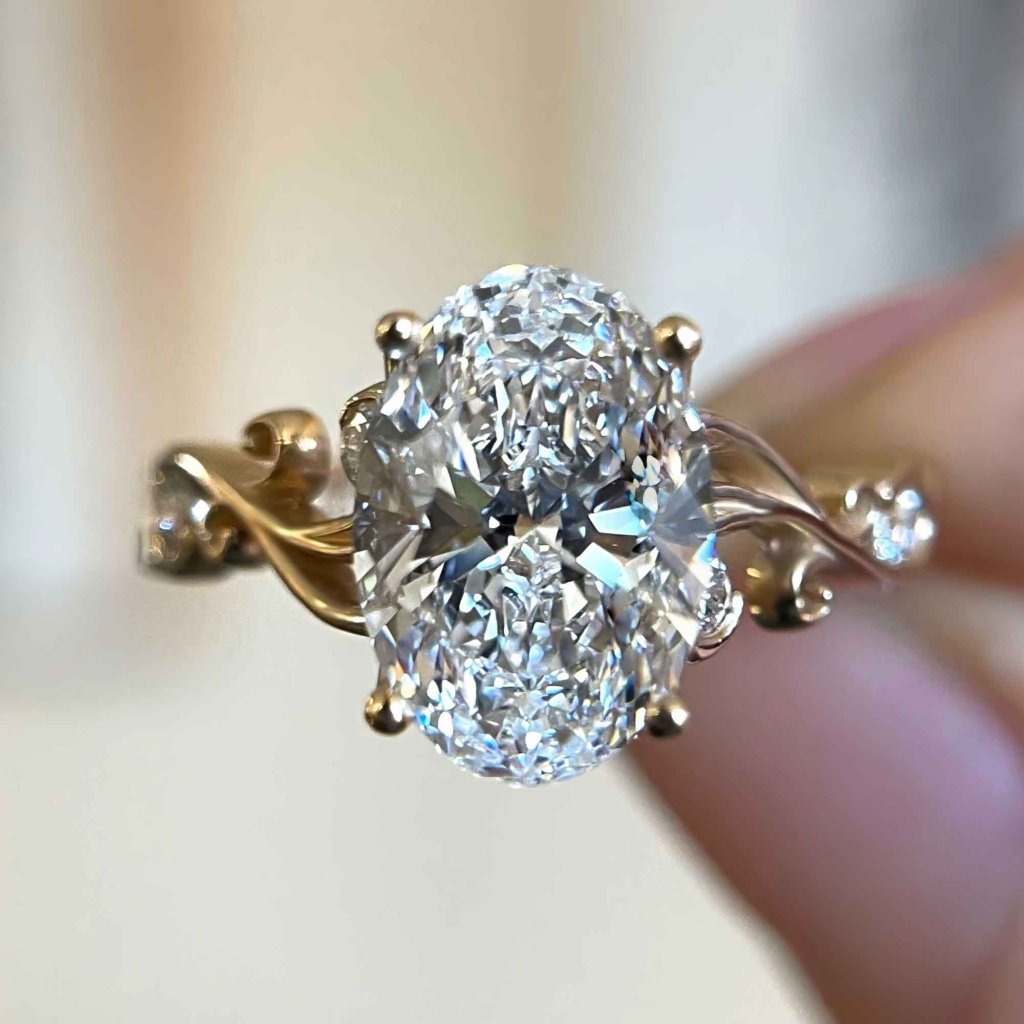
The landscape of bridal jewelry is undergoing a seismic shift in 2026. As mass-produced, “cookie-cutter” designs lose their luster, modern couples are pivoting toward pieces that offer architectural integrity and a distinct narrative. At the forefront of this movement is the resurgence of art deco rings engagement styles, which provide a masterclass in geometric symmetry and bold, unapologetic glamour. Originally rising to prominence in the 1920s as a celebration of technological progress and social liberation, these rings have transitioned from vintage relics to the gold standard for those seeking a sophisticated, eco-conscious alternative to the traditional modern solitaire.
The Architectural Allure of the 1920s
The Art Deco era was defined by the “Machine Age,” a time when jewelry designers traded the flowing, organic lines of the past for the sharp, streamlined silhouettes of the future. Inspired by the soaring heights of the Chrysler Building and the precision of aviation, Art Deco rings utilized mathematical balance to create a sense of wearable art.
Unlike modern designs that often rely on a simple center stone, Deco-era pieces treat the entire ring as a cohesive structure. The use of “white-on-white” palettes—achieved through the mastery of platinum and white gold—created a cool, industrial backdrop that allowed the fire of antique-cut diamonds to take center stage. For today’s collectors, this structural complexity is exactly what makes these rings feel so fresh and relevant.
Defining Characteristics of the Era
To appreciate why these rings are so highly coveted in 2026, one must look at the specific artisanal techniques that define the period:
- Geometric Precision: The era popularized “step-cut” diamonds, such as the Asscher and Emerald cuts. These stones feature long, linear facets that prioritize clarity and “hall of mirrors” depth over the simple brilliance of modern rounds.
- Calibre-Cut Gemstones: This painstaking technique involved hand-cutting accent stones—often sapphires, emeralds, or rubies—to fit perfectly into the metal’s geometric curves without the use of gaps. It is a level of precision that contemporary mass-manufacturing rarely attempts.
- Intricate Milgrain: The tiny, beaded metal borders found on the edges of Art Deco settings add a delicate, textured finish that softens the bold lines, creating a perfect harmony between strength and femininity.
The Sustainability Factor
One of the primary drivers of the vintage jewelry boom in 2026 is the global focus on ethical consumption. By choosing a genuine antique engagement ring, buyers are making a powerful statement against the environmental toll of modern mining. These pieces are already in existence, having been passed down through generations, making them the ultimate “recycled” luxury.
Furthermore, the quality of craftsmanship from a century ago is often superior to today’s standard commercial offerings. Early 20th-century artisans worked in smaller batches, focusing on the longevity of the piece. When you invest in a ring from this era, you aren’t just buying jewelry; you are acquiring a curated piece of history that has already proven its durability over a hundred years of wear.
2026 Style Pairings: The “New Vintage” Look
Modern fashion in 2026 favors the “mix-and-match” approach. Many brides are now pairing their geometric Art Deco engagement rings with chunky, solid gold wedding bands or modern bezel-set eternity rings. This juxtaposition of the old and the new allows for a highly personalized bridal stack that feels curated rather than bought.
Additionally, the rise of yellow gold as the metal of choice in 2026 has breathed new life into the rarer yellow gold Deco pieces. While platinum was the king of the 1920s, the warm glow of gold highlights the intricate filigree and hand-engraved details in a way that feels incredibly “on-trend” for the current aesthetic.
Finding Your Heirloom
Navigating the world of antique jewelry requires more than just an eye for beauty; it requires an understanding of hallmarks, metal purity, and the nuances of gemstone cuts like the “Old European” or “Transitional” cut. For those ready to move away from the ordinary and secure a piece of history, Gesner Estate Jewelry offers a professional gateway to the finest authentic treasures. Their expertise ensures that every buyer finds a ring that not only meets the high standards of the 1920s but also fits seamlessly into their modern love story.