



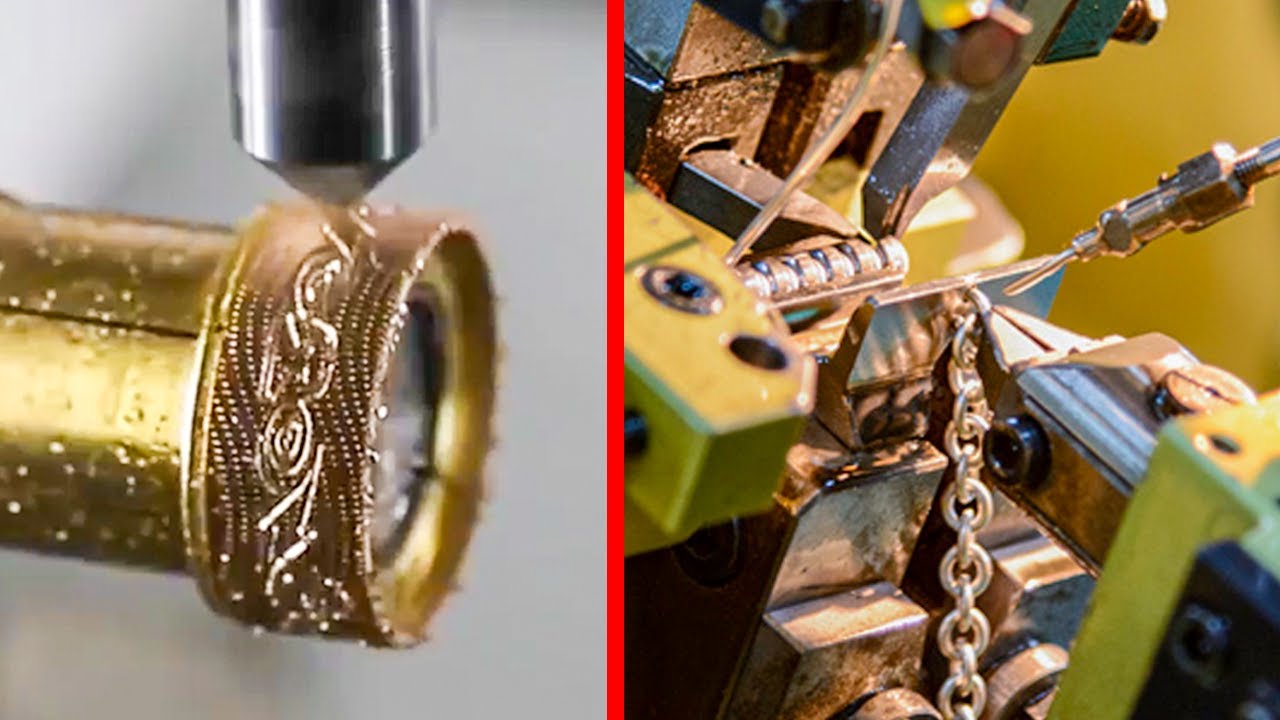
Making custom jewelry is a creative process, taking personal ideas and making them into beautiful, handcrafted accessories. Custom-made jewelry is not mass-produced, but handcrafted according to design preferences, material selections, and individual needs. From distinctive rings, to gemstone necklaces and eye-catching earrings, bespoke jewelry offers a wide range of options for people and companies to design goods that distinctly represent their particular style.
But there are several steps to take a jewelry concept from idea to reality and they include design creation, choice of materials, prototype, manufacturing and quality control.
Each step calls for meticulous planning, technical understanding and excellent workmanship. When Custom Jewelry Manufacturers understand the process of creating personalized jewelry, it can make educated judgments, manage expectations on production, and achieve the intended outcomes.
-
Grasping the Design Idea and Requirements
Every bespoke jewelry making endeavor starts with a concept. The first step is to grasp the purpose, style and specs of the jewelry item. The designers and manufacturers will speak to you about your preferences, usage, target audience and budget before coming up with the final idea.
Ideas may be from hand drawn drawings, reference pictures, fashion trends, gemstones, cultural influences or personal inspiration. For jewelry businesses, the design idea should also be in line with their current collections and trademark.
At this step, the manufacturer will want to acquire crucial specifications such product dimensions, forms, metal choices, stone needs, and finishing preferences. Effective communication lays the groundwork for the whole production process.
-
Developing Detailed Jewelry Designs
Once the original idea is settled, the following step is to build the intricate jewelry designs. Designers convert creative ideas into drawings or digital models to show what the product will look like and how it will be built.
Today the CAD (Computer-Aided Design) software is a widespread tool in the jewelry manufacture. Designers may develop precise three-dimensional models of rings, necklaces, bracelets, pendants, and earrings.
These computerized drawings allow the producer to check dimensions, measurements, gemstone settings, and structural elements before the manufacturing process starts. They also let clients assess the design and propose changes.
A comprehensive design helps avoid miscommunication between the creative and production teams and makes sure that everyone is on the same page with what the final product is supposed to be.
-
Choosing the Right Materials and Gemstones
Choosing the right materials is one of the most crucial steps in creating bespoke jewelry. The materials influence the look, durability, weight and total cost of manufacture of the product.
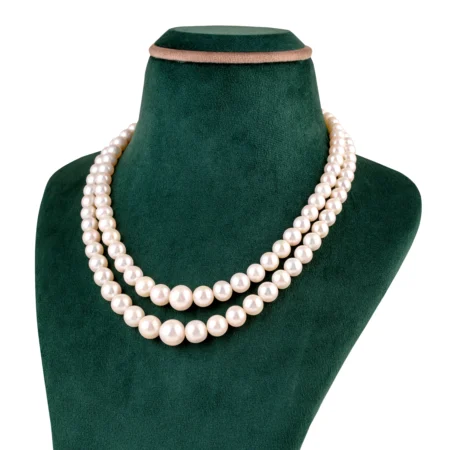
Customers may pick from gold, silver, platinum, brass, stainless steel or other metals depending on design and budget. Options for gemstones include diamonds, emeralds, rubies, sapphires, pearls and synthetic stones.
Manufacturers enable clients to understand the properties of various materials and pick acceptable solutions for their projects. For example, a fine jewelry collection can include precious metals and real gemstones; a modern fashion jewelry collection may include alternative metals and ornamental stones.
Before completing the material choices, it is vital to evaluate metal purity, gemstone parameters, sourcing processes and maintenance needs.
-
Creation of Jewelry Samples and Prototypes
Manufacturers will typically make a prototype or physical sample before they go into full-scale manufacturing. At this point users may experience how the design appears and feels outside of a digital context.
Prototypes may be produced using wax carving, 3D printing or other appropriate manufacturing processes. The sample allows you to examine size, weight, comfort, stone arrangement and the correctness of the overall design.
For example, you may examine fitting and proportion of a ring sample, or chain length, pendant size and balance of a necklace prototype.
Where necessary, producers might revise the design before continuing. This minimizes manufacturing mistakes and reduces excessive costs in subsequent production phases.
-
Selecting the Correct Manufacturing Process
Different jewelry designs demand different production procedures. The technique used will depend on the materials, complexity, quantity and finishing required.
Lost-wax casting is a popular method for making elaborate metal jewelry. It entails making a wax model, making a mold and replacing the wax with molten metal.
Another technique is hand fabrication when workers physically shape, cut, bend and assemble metal components. This is especially handy for one-of-a-kind objects and designs that demand special care.
There are other processes like as stamping, forging, laser cutting, engraving and 3-D printing. Experienced manufacturers will choose the best method depending on the product specs and production needs.
-
Casting, Putting Together and Setting in Stone
Once the production procedure is decided, the jewelry parts are manufactured as per the authorized design.
In the case of cast jewelry, metal is poured into prepared molds and cooled, after which the pieces are extracted and refined. Then they put together the various components, chains, clasps, hooks, links, and decorations.
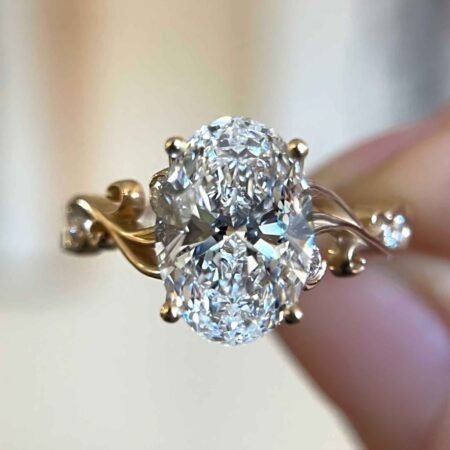
If the design involves gemstones, stone setting will be completed at the appropriate point in manufacturing. Some of the common methods include prong setting, bezel setting, pave setting and channel setting.
Each stone is placed with care by the craftsmen and closely fitted so as to provide the desired effect and preserve the strength of the construction. Precision is particularly vital when dealing with delicate patterns and precious stones.
-
Final Polishing and Finish
The finishing is what gives the bespoke jewelry its final look. They smooth rough edges and flaws on the surface and polish metal parts to the desired texture and sheen.
Other treatments including as gold plating, silver plating, rhodium plating, oxidation or coating of enamel may be used depending on the design.
Customers may pick from a variety of finishes such as high gloss, matte, brushed and textured surfaces. These elements affect the overall look and are part of what makes a product unique.
Good finishing also enhances the appearance of jewelry, and guarantees that the finished item meets the authorized design.
-
Quality Control and Final Approval
Quality checking is a must before the buyer receives bespoke jewelry. Manufacturers evaluate final items to verify they conform to agreed upon requirements.
The examination may involve inspecting measurements, weight, surface quality, the security of the gemstones, the operation of the clasp and the overall structure.
In the case of fine jewelry, the verification of metal purity, the documentation of gemstones and the relevant hallmarking criteria might also be addressed.
After the product has passed the necessary inspections, the buyer may examine the completed item and provide final approval. Any flaws or deviations detected will be dealt with in accordance with the approved quality and replacement conditions.
-
Packing and Shipping
The last step is to prepare the completed jewelry for delivery. Good packing will safeguard fragile goods during shipping and will also enhance the overall appearance.
Customized packaging for jewelry companies might include boxes, pouches, labels and product information cards with the brand logo on them. These factors contribute to a cohesive branding experience.
Manufacturers and enterprises should also organize delivery timetables, shipping arrangements and product documentation to facilitate a seamless hand-over.
Conclusion
The bespoke jewelry production process is a combination of creative thought, material expertise, innovative technology and professional workmanship. Every step of the process – from the original design and choice of materials to prototyping, component manufacture, gem setting and quality control checks – has a role in the final product.
For people and Custom Jewelry Manufacturers businesses, having this knowledge helps them better convey design expectation, control production costs, and identify appropriate manufacturing partners. With enough forethought and the correct know-how, a simple creative concept may be transformed into a beautifully polished piece of jewelry that speaks to personal style or a brand’s distinctive character.