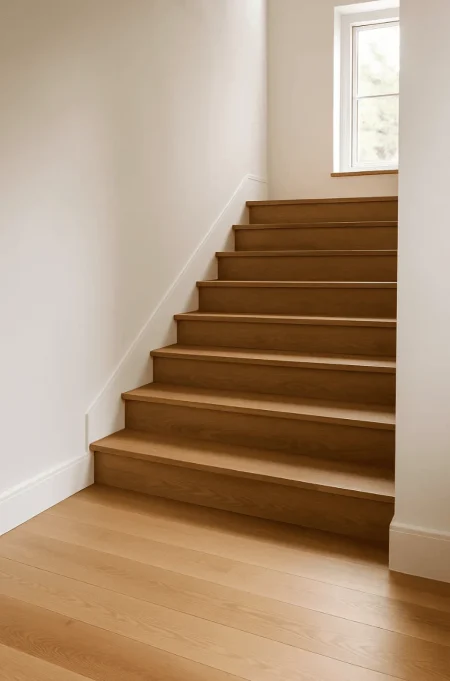




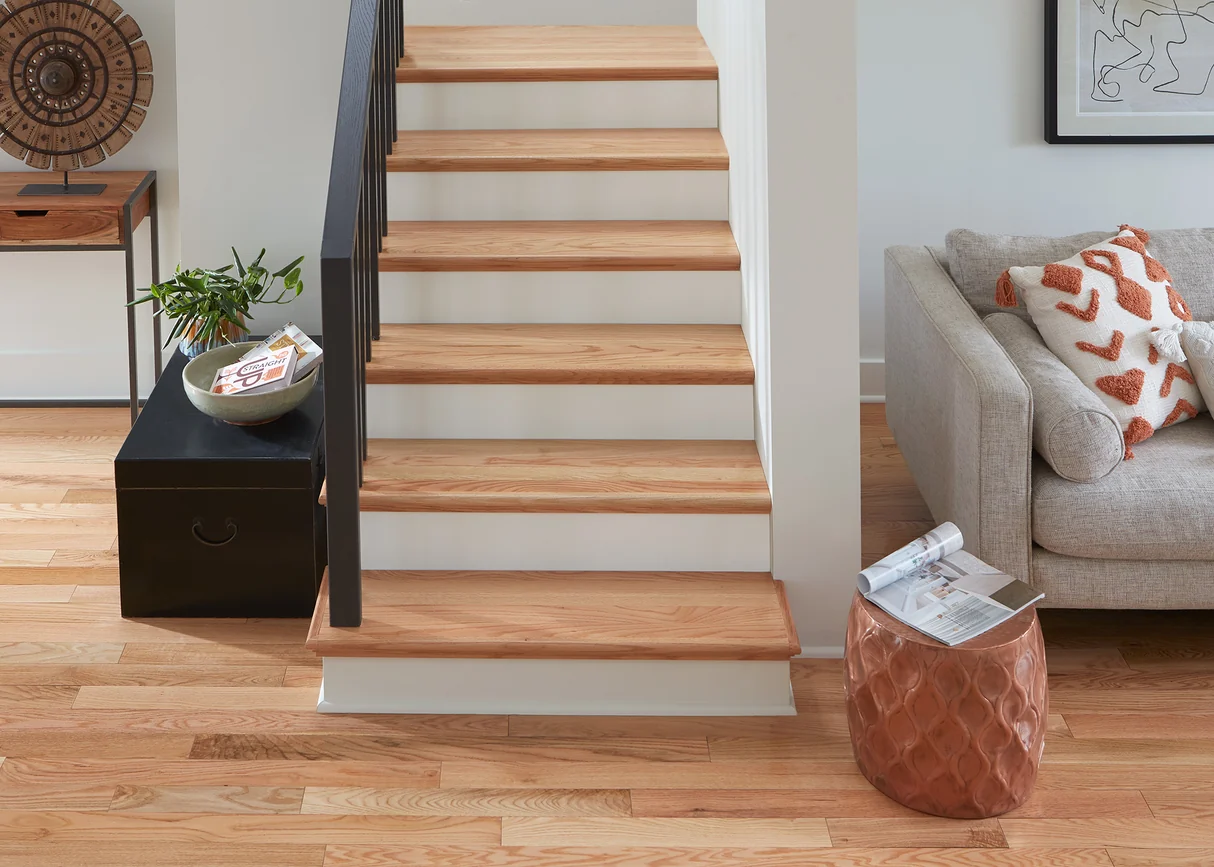
A staircase is often one of the largest uninterrupted wood features in a home, making its relationship with the surrounding flooring especially noticeable. For renovation and new construction projects, red oak stair treads can provide a practical foundation for creating a coordinated transition between floors. Success depends on comparing more than stain color alone.
Why Does Flooring and Stair Coordination Matter?
Stairs connect separate levels visually as well as physically. When the tread material appears unrelated to the flooring at the top or bottom of the staircase, the difference may make the interior feel divided.
Coordination does not always require an exact match. Some designs intentionally use contrasting treads, risers, railings, or flooring. However, the contrast should look deliberate. When the goal is continuity, flooring professionals must consider wood species, grain, color, finish sheen, board variation, and surrounding light.
Reviewing these elements early can prevent last-minute attempts to correct an unsuitable color after the stair components have already been manufactured or installed.
What Does Red Oak Look Like?
Red oak is known for its prominent open grain and warm natural coloring. Unfinished boards can range from pale tan to pinkish brown, with reddish undertones appearing more strongly in some pieces than others.
Its grain tends to be more visible than that of several other domestic hardwoods. This makes red oak suitable for interiors where natural wood character is part of the design. It also helps red oak stairs coordinate with the many homes that already have red oak strip flooring.
The final appearance will vary according to the lumber grade, board selection, cut, stain, and protective finish. Because wood is a natural material, no two treads will display precisely the same grain pattern or color.
How Can You Confirm the Existing Flooring Species?
Before ordering stair parts, confirm whether the existing flooring is actually red oak. Red oak and white oak may appear similar after staining, particularly in an older floor. Grain, pore structure, undertones, and end-grain characteristics can help distinguish them, but visual identification is not always conclusive.
When the flooring manufacturer and product records are available, review them first. If documentation is missing, a flooring specialist or experienced woodworker may be able to assess a sample.
Species confirmation matters because different woods can react differently to the same stain. A stain color that looks warm and balanced on red oak may appear cooler, darker, or less saturated on another species.
Why Are Physical Samples Important?
Photographs are useful for initial discussions, but they should not be the sole basis for a finish decision. Cameras, artificial lighting, daylight, and screen settings can all alter the appearance of wood.
Physical flooring samples provide a more dependable reference. If possible, supply several pieces approximately 8 to 12 inches long. Multiple samples show the natural range of color and grain found across the floor more accurately than a single small cutting.
For an existing installation, collect samples from leftover boards rather than removing flooring from an inconspicuous area unless necessary. The samples should represent the floor’s typical appearance, including both lighter and darker pieces when variation is visible.
Should the Stair Finish Match or Coordinate?
An exact color duplication may not always be possible or desirable. Installed flooring can change over time because of sunlight, cleaning products, wear, refinishing, and normal oxidation. A sample taken from a closet may look different from flooring near a large window, even though both came from the same original batch.
A coordinating finish accounts for these differences and aims to create a natural relationship between the stairs and flooring. The treads may share the same general undertone and depth without duplicating every board.
Sheen also matters. A high-gloss stair finish beside a low-sheen floor can make the color difference seem greater. Comparing both color and reflectivity under the property’s actual lighting can lead to a more balanced selection.
How Do Prefinished Treads Affect the Project?
Prefinished treads are sanded, stained, and coated before arriving at the property. They can reduce onsite dust, odors, coating labor, and drying time. This is particularly helpful in occupied homes or renovation projects with tight schedules.
Site-finished treads may be appropriate when the flooring and staircase will be sanded and coated together. This approach gives the finisher direct control at the property, but it requires suitable working conditions and enough time between coats.
The right choice depends on the construction schedule, available labor, ventilation, finish requirements, and the client’s tolerance for onsite disruption.
What Measurements Should Be Checked Before Ordering?
Color coordination is only one part of a successful stair order. Contractors should inspect and measure each step because older staircases may not be uniform.
Confirm the following details:
- Total tread quantity
- Width, depth, and thickness
- Nosing profile
- Left-hand and right-hand returns
- Open or closed stair configuration
- Riser material and thickness
- Landing and winder requirements
- Skirt board placement
- Existing substrate condition
- Finished flooring height
Measurements should reflect the actual staircase rather than assumptions based on plans alone. Site conditions may have changed during construction or previous remodeling work.
How Can Professionals Set Realistic Expectations?
Clients should understand that matching natural wood differs from matching a manufactured solid color. Grain patterns, mineral markings, and undertones will vary. Finish samples indicate an expected direction, but they cannot predict the precise appearance of every finished tread.
Dealers, designers, and contractors can reduce misunderstandings by reviewing representative samples, discussing acceptable variation, and documenting finish approval before production. They should also explain that newly finished stair parts may age differently from flooring that has been exposed to years of light and use.
Coordinating red oak stairs with hardwood flooring requires accurate species identification, representative samples, careful finish selection, and precise measurements. For prefinished stair components and assistance planning your next flooring or remodeling project, visit Wood Stair Co and review the available options with your project requirements in hand.