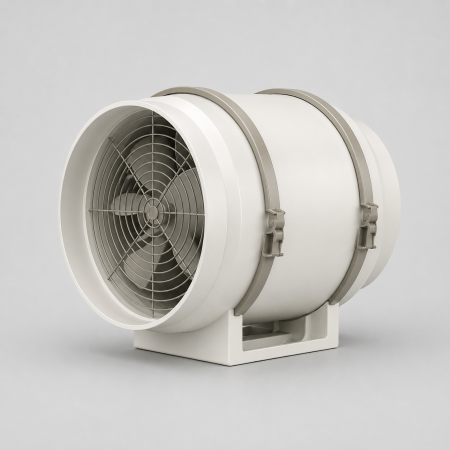




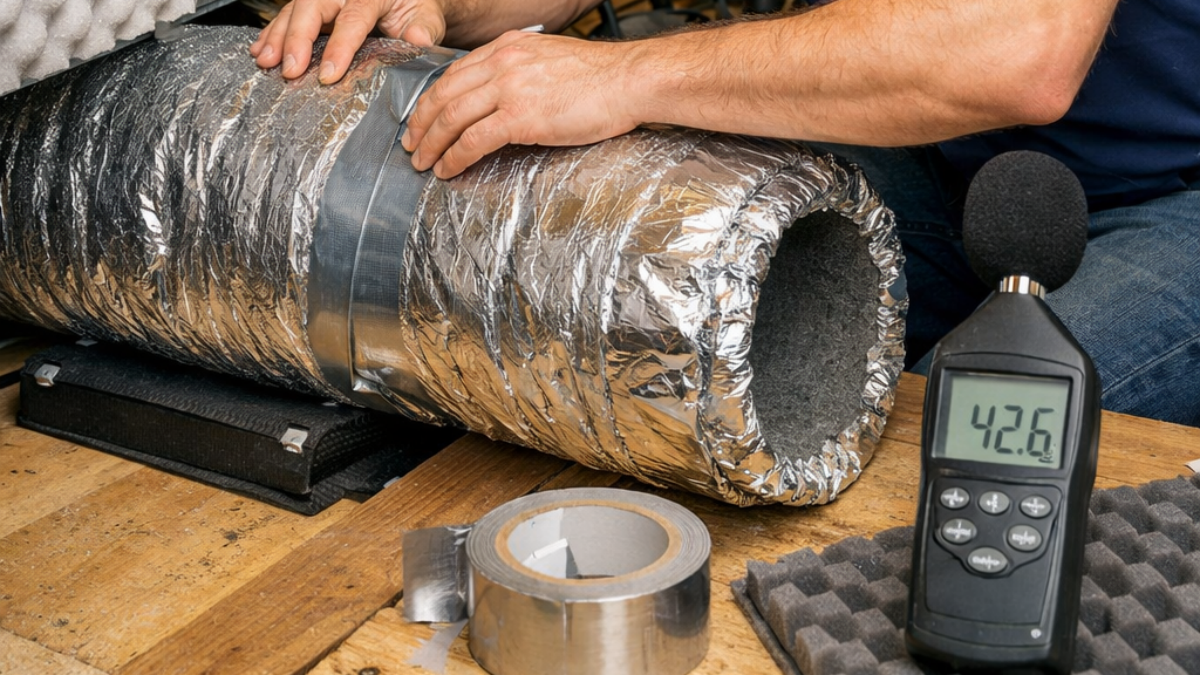
A heating and cooling system can maintain comfortable temperatures while still creating an unpleasant indoor environment if too much mechanical sound travels through the ductwork. Rattling, fan noise, air turbulence, and equipment vibration can all move from one part of the system to another. In situations where sound is traveling through the duct path, properly selected Air Duct Mufflers can help reduce duct-borne noise while allowing conditioned air to continue moving through the system.
Identify the Type of Noise First
Not every HVAC sound has the same cause, so the first step is identifying where the noise originates.
A high-pitched whistle may point to excessive air velocity or a restricted register. Rattling can come from loose duct connections, unsupported sheet metal, or a poorly secured grille. Low-frequency humming may originate from a blower, inline fan, or other mechanical equipment.
Contractors should listen at several points in the system before recommending a sound-control accessory. Treating the sound path without addressing the source can leave the underlying problem unresolved.
Check for Airflow Restrictions
Noise and airflow problems often appear together.
A dirty filter, undersized duct, closed damper, blocked register, or restricted return-air path can increase static pressure. That additional resistance may cause air to move more loudly through grilles and duct sections.
Before installing any sound-control product, inspect the system for obvious restrictions. Correcting a blocked or poorly balanced airflow path may reduce both noise and comfort complaints.
Homeowners can begin with simple checks, but persistent airflow or pressure issues should be evaluated by an HVAC professional.
Inspect Fans and Mechanical Equipment
Fans are a common source of noise in ventilation and HVAC systems.
A fan that is improperly mounted, worn, damaged, or operating outside its intended range can produce vibration that transfers into connected ductwork. Once the vibration reaches metal or rigid duct sections, the duct itself can carry the sound into occupied rooms.
Installers should check fan mounting, fasteners, connections, and nearby duct supports. Flexible connectors or vibration-isolating components may help when mechanical vibration is the main issue.
If the fan is failing mechanically, however, replacing or repairing the equipment should come before adding sound-control components.
Understand How Sound Travels Through Ductwork
Duct systems can act as pathways for sound.
Noise produced by a fan or air-moving device can travel down a duct run and emerge at a register some distance away. Hard interior surfaces can allow sound energy to continue through the system, especially when there is a relatively direct path between the sound source and the room.
This is different from a simple rattle at a vent. In these cases, the sound may be carried through the air inside the duct rather than through the building structure.
Understanding that difference helps installers choose the right correction.
Know When a Duct Muffler May Help
A duct muffler, sometimes called a sound attenuator or silencer, is designed to reduce sound traveling through a duct system.
It can be useful in applications where fan noise is being transmitted along a duct run and the rest of the system is operating correctly. Common applications may include ventilation fans, inline duct fans, residential air-transfer systems, and other installations where airflow equipment creates noticeable sound.
The goal is to reduce transmitted sound without creating an excessive pressure drop.
A muffler should therefore be selected as part of the airflow system rather than treated as an isolated accessory.
Match the Muffler to the Duct System
Duct diameter and connection type are important considerations.
A sound-control product should be compatible with the existing duct size so installers do not need to create unnecessary transitions. Additional fittings can increase installation complexity and may affect airflow.
Space is another consideration. Contractors should confirm that there is enough straight duct length and clearance to install the component according to manufacturer instructions.
Accessibility also matters. A component installed in an attic, mechanical room, basement, or concealed space should still be positioned in a way that allows future inspection when practical.
Avoid Creating a New Airflow Problem
Noise reduction should not come at the expense of system performance.
Every component added to a duct path introduces some degree of resistance. If a system is already operating near its pressure limit, adding another component without checking airflow could reduce delivery to the room or increase strain elsewhere in the system.
Contractors should consider static pressure, fan capacity, duct diameter, and expected airflow before adding sound-control equipment.
This is especially important in systems with several elbows, long duct runs, restrictive grilles, or other existing sources of pressure loss.
Pay Attention to Installation Quality
Even a properly selected component can perform poorly if it is installed incorrectly.
Duct joints should be secure, connections should be properly supported, and nearby ductwork should not place unnecessary stress on the component. Loose fittings can create their own rattles and vibration.
Installers should also make sure nearby sheet metal is supported adequately. A sound-control accessory may reduce airborne noise, but it cannot correct every vibration problem caused by loose ductwork.
Good installation practices remain an important part of overall noise control.
Test the System After the Work Is Complete
Once the installation is finished, operate the HVAC or ventilation system through its normal range.
Listen at nearby registers and compare sound levels with the original condition. Check airflow to make sure the change has not created a noticeable reduction in delivery.
If noise remains, continue tracing the source instead of adding multiple sound-control products without diagnosis.
HVAC noise can come from several sources at once, so the best correction may involve a combination of airflow balancing, vibration isolation, duct repair, and sound attenuation.
Improve Comfort by Treating the Cause of HVAC Noise
Reducing duct noise starts with identifying where the sound comes from and how it travels through the system. Airflow restrictions, fan vibration, loose ductwork, and duct-borne sound each require a different response. When airborne fan noise is moving through an otherwise properly functioning duct system, a correctly selected sound muffler can be a practical part of the solution. Contractors, builders, and homeowners looking for HVAC airflow and sound-control products can visit Suncourts to review options for quieter, more comfortable residential ventilation systems.