



Installing a new fence can improve privacy, security, and curb appeal, but if you live in a neighborhood governed by a Homeowners Association (HOA), the process involves more than simply choosing a style you like. HOA communities often have specific rules regarding fence materials, colors, heights, placement, and even maintenance standards. Working with an experienced residential fence company can help ensure your project meets these requirements while avoiding delays, fines, or costly modifications.
In this guide, we’ll explain how residential fence companies handle HOA requirements, what homeowners should expect, and how to make the approval process as smooth as possible.
Why Do HOAs Have Fence Guidelines?
Homeowners Associations establish rules to maintain a consistent appearance throughout the community and help preserve property values. Since fences are highly visible, they are commonly regulated.
HOA fence guidelines may cover:
- Maximum fence height
- Approved fence materials
- Fence colors and finishes
- Fence styles and designs
- Property line setbacks
- Gate placement
- Visibility requirements around corners
- Maintenance expectations
Following these rules before installation helps prevent disputes with the HOA and neighboring properties.
Why Working with a Residential Fence Company Matters
An experienced residential fence company understands that HOA approval is often a required step before installation begins. Instead of leaving homeowners to navigate the process alone, reputable contractors provide guidance throughout the project.
Benefits include:
- Knowledge of common HOA regulations
- Assistance with required documentation
- Professional property measurements
- Accurate installation according to approved plans
- Reduced risk of compliance issues
Their experience can save homeowners significant time and frustration.
Understanding Your HOA’s Fence Requirements
Before recommending materials or designs, residential fence companies usually review the HOA guidelines provided by the homeowner.
Common requirements include:
Fence Height Restrictions
Many HOAs have specific height limits depending on fence location.
Typical examples include:
- Front yard: 3–4 feet
- Side yard: 4–6 feet
- Backyard: up to 6 feet
These limits help preserve neighborhood visibility and aesthetics.
Approved Fence Materials
Not every material is permitted.
HOAs may allow:
- Wood fencing
- Vinyl fencing
- Aluminum fencing
- Decorative metal fencing
They may prohibit:
- Chain link fencing
- Barbed wire
- Temporary fencing
- Unfinished wood
A professional contractor helps homeowners select materials that comply with HOA standards.
Approved Fence Colors
Some communities require fences to match neighborhood aesthetics.
Examples include:
- Natural wood stain
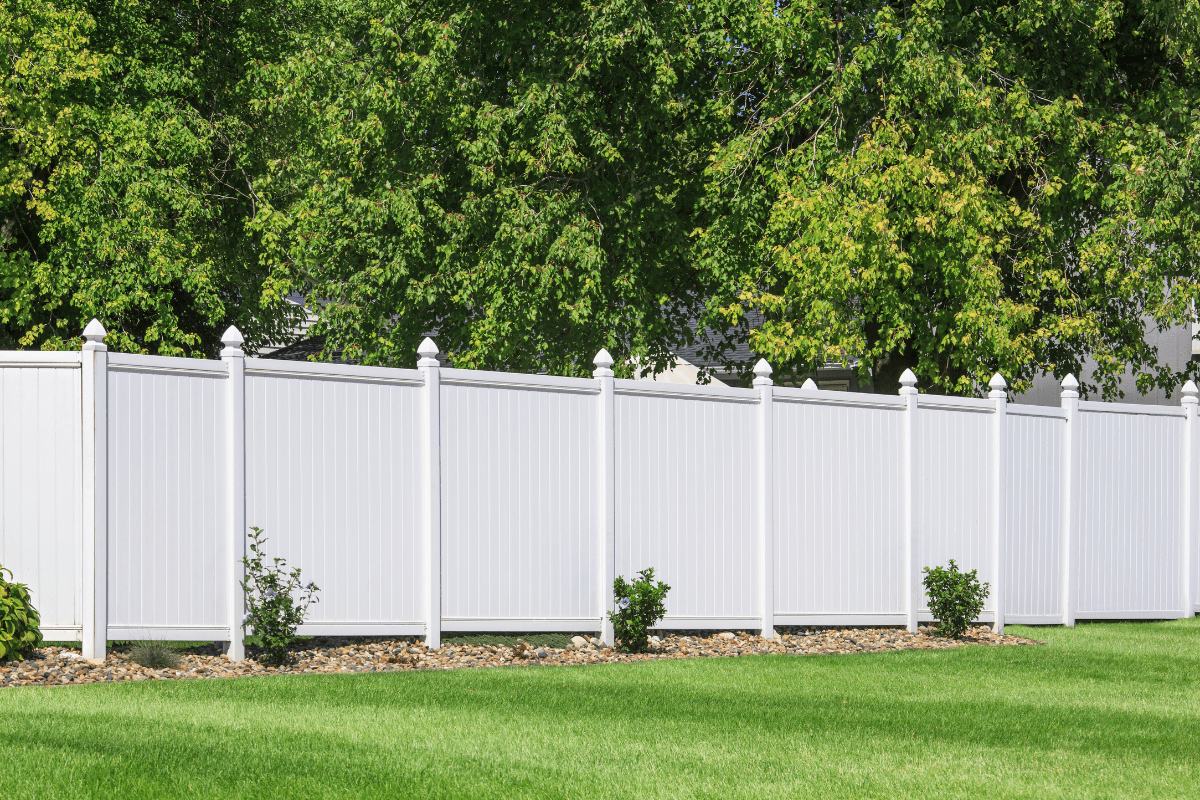
- White vinyl
- Black aluminum
- Earth-tone finishes
Bright or unusual colors may require special approval or may not be allowed at all.
Fence Style Requirements
HOAs often regulate fence appearance.
Approved styles may include:
- Privacy fences
- Picket fences
- Shadowbox fences
- Horizontal wood fences
- Decorative aluminum fencing
Some neighborhoods even specify the direction fence panels must face.
Reviewing Property Lines Before Installation
One of the first steps residential fence companies take is confirming property boundaries.
This helps ensure:
- The fence stays within the owner’s property.
- HOA setback rules are followed.
- Neighbor disputes are minimized.
- Easements remain unobstructed.
If necessary, homeowners may be advised to obtain a professional land survey before installation.
Assisting with HOA Approval Documents
Many HOAs require homeowners to submit an architectural review request before construction begins.
Residential fence companies often help prepare documents such as:
- Fence layout drawings
- Property surveys
- Material specifications
- Color samples
- Product brochures
- Fence dimensions
- Installation plans
Providing accurate documentation can significantly speed up the approval process.
Recommending HOA-Friendly Fence Options
Experienced contractors know which fence styles are commonly approved in HOA communities.
Popular options include:
Vinyl Privacy Fences
Benefits include:
- Low maintenance
- Clean appearance
- Long lifespan
- Available in HOA-approved colors
Wood Privacy Fences
Ideal for:
- Traditional neighborhoods
- Natural aesthetics
- Flexible stain options
Many HOAs require specific stain colors or board styles.
Aluminum Fencing
Popular because it offers:
- Elegant appearance
- Durability
- Open visibility
- Minimal maintenance
Aluminum fencing is often used around pools and front yards.
Decorative Picket Fences
These work well when HOAs encourage a uniform neighborhood appearance.
They are commonly installed in:
- Front yards
- Garden areas
- Community-facing properties
Ensuring Local Building Code Compliance
HOA approval alone is not enough.
Residential fence companies also ensure compliance with local regulations such as:
- Building permits
- Utility clearance
- Property setbacks
- Pool safety requirements
- Local zoning laws
The project must satisfy both municipal regulations and HOA rules.
Coordinating with Utility Marking Services
Before digging fence post holes, contractors arrange for underground utility locations to be identified.
This helps avoid damage to:
- Gas lines
- Water pipes
- Electrical cables
- Communication lines
It’s an important safety step that also helps prevent costly repairs.
Communicating with Homeowners Throughout the Process
Professional fence companies keep homeowners informed from start to finish.
Typical updates include:
- HOA approval status
- Material availability
- Installation schedule
- Weather-related delays
- Final inspection
Clear communication helps avoid misunderstandings and keeps projects on track.
Avoiding Common HOA Mistakes
Experienced contractors help homeowners avoid issues that could delay approval or require expensive changes.
Common mistakes include:
Installing Before Approval
Some homeowners begin installation before receiving HOA approval.
This may result in:
- Fines
- Required fence removal
- Delayed project completion
Choosing Unapproved Materials
Even high-quality materials can violate HOA rules if they aren’t on the approved list.
Always verify material specifications before purchasing.
Ignoring Height Restrictions
A fence that’s just a few inches too tall may need to be modified or replaced.
Professional planning prevents this issue.
Incorrect Fence Placement
Installing a fence outside approved property lines or setback areas can create legal and HOA compliance problems.
Proper measurements help avoid costly corrections.
Questions to Ask Before Hiring a Residential Fence Company
Choosing the right contractor can make HOA approval much easier.
Ask questions such as:
- Have you completed projects in HOA communities?
- Can you assist with HOA paperwork?
- Do you provide detailed fence plans?
- Are you familiar with local permitting requirements?
- Can you recommend HOA-approved fence styles?
- Do you handle permits if required?
The answers will help you choose a contractor with the experience needed for a smooth installation.
Tips for Homeowners Living in HOA Communities
To improve the approval process:
- Read your HOA guidelines carefully.
- Submit applications early.
- Keep copies of all approvals.
- Discuss plans with neighbors when appropriate.
- Hire an experienced contractor.
- Wait for written approval before installation begins.
Being proactive can help prevent unnecessary delays.
Frequently Asked Questions
Do I always need HOA approval before installing a fence?
Most HOA communities require approval before construction. Check your association’s governing documents to confirm the process.
Can a residential fence company submit HOA paperwork for me?
Many companies assist with preparing the required documents, though the homeowner is often responsible for submitting the application unless otherwise agreed.
What happens if my fence doesn’t meet HOA requirements?
The HOA may require modifications or complete removal of the fence, and fines may also apply depending on the community’s rules.
Are HOA rules the same as local building codes?
No. HOA rules govern neighborhood appearance, while local building codes focus on safety, zoning, and legal construction requirements. Both must be followed.
How long does HOA fence approval usually take?
Approval timelines vary by community but commonly range from one to four weeks. Submitting complete and accurate documentation can help avoid delays.
Conclusion
Installing a fence in an HOA community requires careful planning, attention to detail, and compliance with both neighborhood guidelines and local regulations. From reviewing HOA rules and preparing documentation to recommending approved materials and ensuring proper installation, an experienced contractor can simplify every step of the process.
Whether you’re planning a privacy fence, decorative aluminum fence, or classic wood fence, working with professionals helps reduce stress and minimizes the risk of costly compliance issues. If you’re looking for trusted guidance and quality craftsmanship, Superfenceco can help you navigate HOA requirements while delivering a fence that enhances your home’s beauty, security, and long-term value.