



A staircase is one of the most used areas in a home or building, so every part of it needs to be chosen with care. For flooring dealers, remodeling contractors, stair installers, builders, architects, and interior designers, handrail stair rails are important for safety, comfort, and finished appearance. The right handrail can help people move up and down the stairs with more confidence while also giving the staircase a clean, finished look.
Why Handrail Selection Matters
Handrails are more than finishing pieces. They give users a steady point of support while walking on stairs. This is especially important in homes with children, older adults, guests, or high daily traffic. In commercial and multi-unit spaces, handrails also play a key role in making stairways easier and safer to use.
For contractors and builders, handrail selection can affect both project quality and customer satisfaction. A handrail that feels comfortable to grip, lines up properly, and matches the stair design can make the whole installation feel more complete. A poorly chosen handrail, on the other hand, can make even a well-built staircase look unfinished.
Designers and architects also need to think about how the handrail fits into the larger interior plan. Stairs are often placed in entryways, foyers, open living spaces, offices, and custom homes where they are easy to see. Because of that, the handrail needs to support the design direction as well as practical use.
Matching Handrails with Stair Treads and Interior Materials
A successful stair project depends on coordination. The handrail should work with the stair treads, risers, balusters, newel posts, trim, flooring, and wall colors. When these parts are selected together, the staircase looks more intentional and professional.
Wood handrails are often chosen because they bring warmth and natural character to the stair system. Oak, maple, hickory, poplar, walnut, and other species can each create a different appearance. Oak is often used for its familiar grain and strength. Maple offers a smoother look. Walnut adds a darker tone. Poplar is often chosen when the rail will be painted.
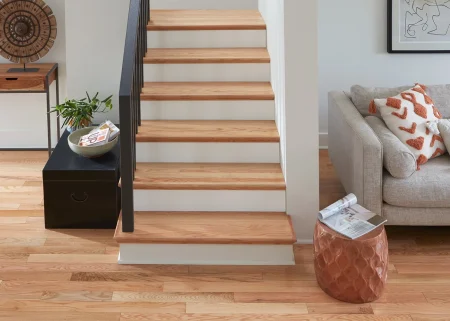
Finish selection also matters. A handrail can match the stair treads for a consistent look, or it can contrast with painted risers, metal balusters, or light walls. In many remodels, homeowners want the staircase to match nearby hardwood flooring. For that reason, flooring dealers and remodelers should discuss species and finish early in the planning process.
What Trade Buyers Should Review Before Ordering
Before ordering handrails, project teams should confirm several details. The first is handrail profile. Different profiles feel different in the hand and create different visual effects. Some profiles are more traditional, while others are simpler and better suited for modern spaces.
Length is another important detail. Installers need accurate measurements to avoid waste, delays, or jobsite adjustments. Stair layout, landings, turns, wall-mounted sections, and open stair sections can all affect the amount of railing required.
Wood species should be chosen based on the desired finish and surrounding materials. If the handrail will be stained, the grain and tone of the wood matter. If it will be painted, a paint-grade material may be more practical.
Code requirements should also be reviewed before installation. Local building rules may affect handrail height, clearance, grip size, returns, and placement. Contractors and builders should always check the standards that apply to the project location before final installation.
Mounting method is also important. Some handrails are wall-mounted, while others are part of a full railing system with balusters and posts. Each approach has different planning needs, hardware requirements, and installation steps.
Handrails in Remodels vs. New Builds
Remodeling projects often require careful matching. The existing staircase may include older treads, painted trim, outdated railings, or flooring that the homeowner wants to keep. In these cases, the handrail should be selected to improve the space without looking disconnected from the rest of the home.
A remodel may also involve replacing carpeted stairs with hardwood treads and updated railing parts. When this happens, the handrail becomes part of a larger stair upgrade. Contractors should review tread material, riser style, baluster choice, and post design before ordering.
New builds offer more freedom because the stair system can be planned from the beginning. Builders and designers can coordinate the handrail with flooring, trim, wall colors, and other finish materials before installation begins. This can help avoid mismatched materials and late-stage changes.
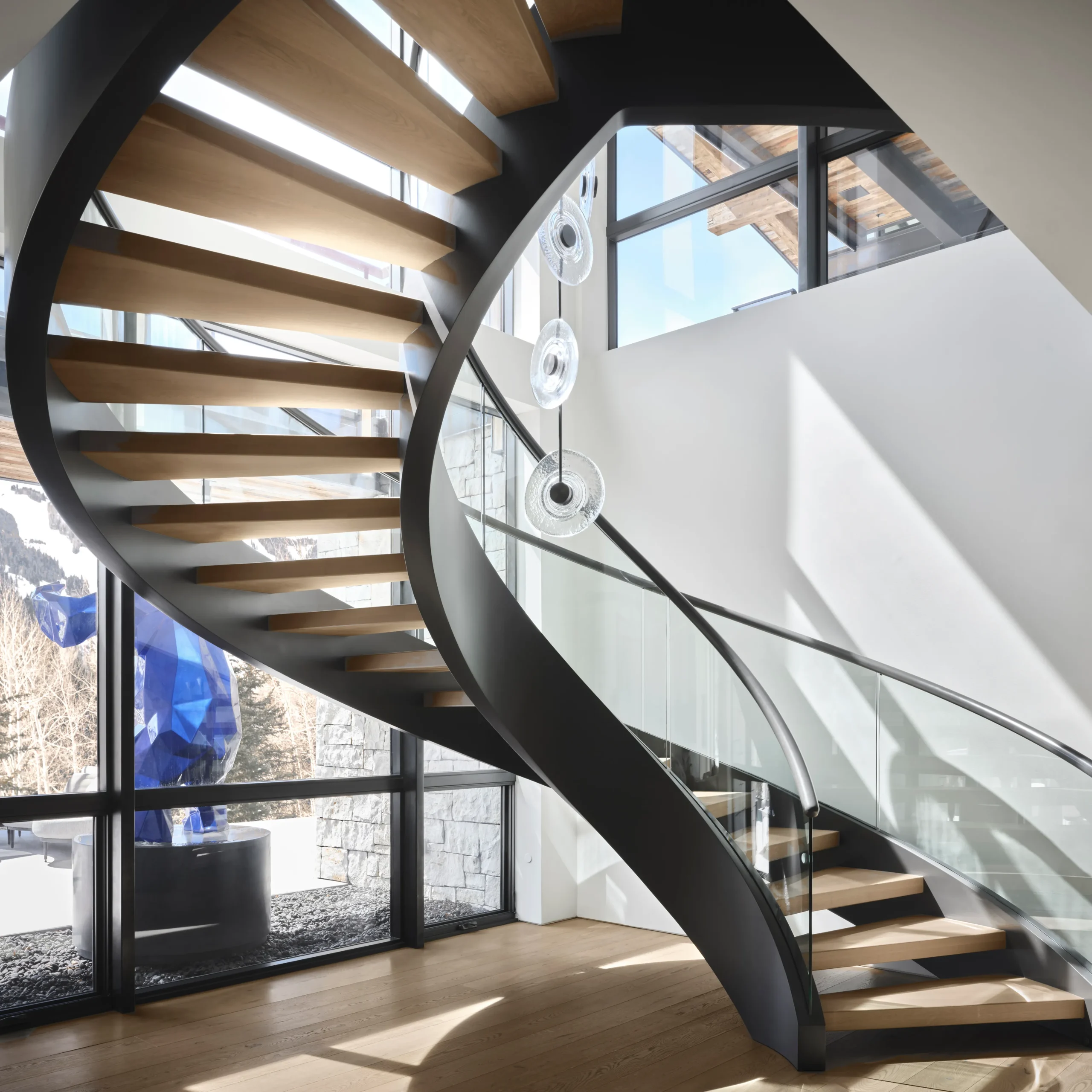
For custom homes, the handrail can become a design feature. It can create a traditional, transitional, or modern look depending on the profile, species, stain, and supporting stair parts.
Why Handrails Matter for Professional Buyers
Flooring dealers and retailers can add value by helping customers understand that stair projects often need more than treads alone. Handrails, risers, newel posts, balusters, landing treads, and related stair parts may all be needed to complete the job.
Remodeling contractors and stair installers benefit from selecting handrails that are practical to install and appropriate for the project. Clear planning can help reduce delays, prevent ordering errors, and limit the need for corrections later.
Homebuilders need dependable stair parts that fit the finish schedule and match buyer expectations. A well-selected handrail can make the staircase feel complete and improve the overall impression of the home.
Architects and interior designers can use handrails to support both safety and design goals. Since the staircase often connects multiple levels and visible areas, the handrail should feel like part of the full interior plan.
A Better Stair Project Starts with the Right Rail
Handrail selection should not be left until the end of a stair project. The best results come from planning the handrail along with the treads, risers, posts, balusters, and surrounding finishes. When all parts work together, the staircase can feel safer, look more finished, and meet the expectations of homeowners, builders, and design professionals.
For hardwood stair parts, handrails, stair treads, risers, and related products for trade and residential projects, visit Wood Stair Co to review options for your next remodel, installation, or new build.