



Best Waterproof Boots 2026: What to Look for Before You Buy
Wet trails, snowy sidewalks, muddy worksites, and rainy commutes all demand footwear that keeps your feet dry without sacrificing comfort or durability. If you’re researching the best waterproof boots 2026, you’ll quickly discover that the right pair depends on where and how you plan to wear them. Modern waterproof boots combine advanced membranes, supportive midsoles, durable outsoles, and quality materials to deliver dependable performance in a wide range of environments. Recent expert testing highlights models with strong waterproofing, grip, and comfort across hiking, work, and everyday use.
Choosing the right waterproof boots isn’t simply about finding footwear that resists moisture. Comfort, traction, fit, insulation, and durability all play a role in determining whether a pair performs well over months or even years of use.
Why Waterproof Boots Matter
Waterproof footwear helps protect your feet from rain, snow, puddles, mud, and damp ground. Keeping your feet dry improves comfort while reducing the chances of blisters, cold feet, and prolonged exposure to moisture.
Quality waterproof boots are commonly used for:
- Hiking
- Hunting
- Outdoor work
- Farming
- Camping
- Winter travel
- Everyday wear
- Yard work
Whether you’re walking city streets during heavy rain or exploring mountain trails, dependable waterproof protection makes every step more comfortable.
Features to Look For
Not all waterproof boots are built the same. Understanding the key features helps you choose footwear that matches your activities.
Important features include:
- Waterproof membranes
- Full-grain or treated leather uppers
- Durable synthetic materials
- Slip-resistant outsoles
- Cushioned midsoles
- Breathable lining
- Reinforced toe protection
- Comfortable ankle support
Many premium boots also include moisture-wicking linings that help keep feet comfortable during extended wear.
Comfort Should Be a Priority
A waterproof boot should protect your feet without creating discomfort.
Look for models that provide:
- Proper arch support
- Room in the toe box
- Secure heel fit
- Adequate cushioning
- Stable ankle support
Trying boots on with the socks you normally wear can help ensure the fit is comfortable before making a purchase. If you’re buying online, reviewing sizing guidance and customer feedback can also be helpful.
Traction for Different Conditions
One of the biggest advantages of modern waterproof boots is improved grip.
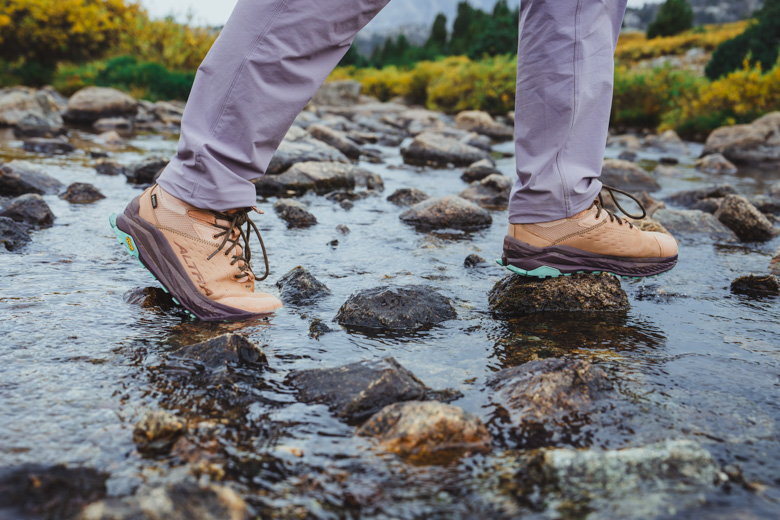
High-quality rubber outsoles with deep tread patterns help maintain traction on:
- Wet pavement
- Muddy trails
- Loose gravel
- Rocky terrain
- Snow-covered paths
- Uneven ground
The best-performing hiking boots tested in 2026 consistently scored highly for grip on both wet and dry terrain, making traction a major factor when comparing options.
Choosing the Right Boot for Your Lifestyle
The ideal waterproof boot depends on how you’ll use it most often.
Hiking boots prioritize traction, support, and lighter weight for long days on the trail.
Work boots often include safety toes, puncture resistance, and oil-resistant outsoles designed for demanding job sites.
Casual waterproof boots focus on comfort and everyday wear while still providing reliable protection during wet weather.
Winter boots typically add insulation for cold temperatures in addition to waterproof construction.
Matching the boot to your primary activity helps maximize both comfort and performance.
Caring for Waterproof Boots
Even the best waterproof boots require regular maintenance to perform at their best.
Simple care tips include:
- Clean off mud and dirt after use.
- Allow boots to dry naturally.
- Avoid placing them near direct heat sources.
- Condition leather when appropriate.
- Reapply waterproof treatments if recommended by the manufacturer.
- Store boots in a cool, dry location.
Routine care helps preserve waterproof performance while extending the life of your footwear.
Don’t Focus on Waterproofing Alone
While waterproof construction is important, it shouldn’t be the only consideration.
Weight, flexibility, durability, breathability, and overall fit all contribute to long-term comfort. Many highly rated waterproof boots balance weather protection with lightweight construction, allowing them to perform well during both everyday use and extended outdoor adventures. Independent gear testing in 2026 shows that the strongest performers combine waterproof protection with dependable grip and lasting comfort rather than excelling in only one category.
Conclusion
Finding the best waterproof boots means looking beyond marketing claims and focusing on the features that matter most for your lifestyle. Waterproof protection, dependable traction, comfortable support, quality construction, and proper fit all contribute to footwear that performs well in changing weather and demanding conditions. Taking the time to compare these factors will help you choose boots that keep your feet comfortable and protected wherever your next adventure takes you.
For more expert buying advice, detailed boot comparisons, and the latest recommendations for outdoor footwear, visit Boots Plus More. Their guides cover a wide range of work boots, hiking boots, and waterproof footwear, making it easier to find the right pair for your needs.