


Why Refurbished Rugged Laptops Make Sense for Demanding Work Environments
Standard consumer laptops are generally designed for offices, homes, and other controlled settings. Field technicians, construction crews, public safety personnel, and utility workers face very different conditions. Their computers may be exposed to dust, vibration, moisture, drops, temperature changes, and frequent transportation. For organizations that need dependable equipment without paying the price of new rugged hardware, refurbished toughbooks can offer a practical alternative.
Rugged Construction Designed for Field Conditions
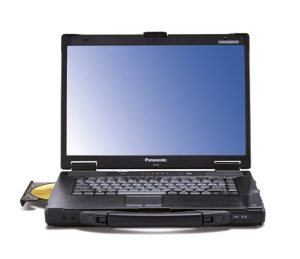
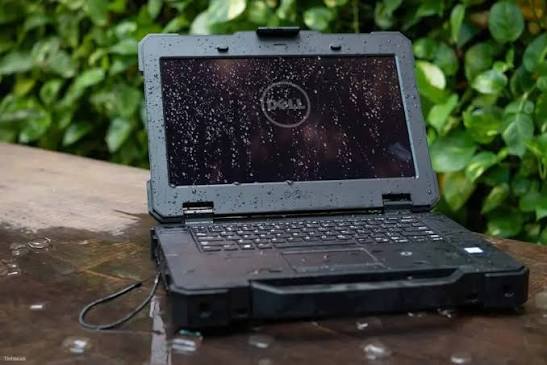
A rugged laptop is built differently from a typical consumer notebook. Depending on the model, it may include a reinforced frame, shock-resistant storage, sealed ports, spill-resistant keyboards, strengthened hinges, and protective exterior materials. Some models also have daylight-readable displays, glove-friendly touchscreens, or carrying handles.
These features help reduce the risk of damage when a computer is used in a service vehicle, warehouse, factory, construction area, or outdoor location. Although no laptop is indestructible, rugged models are made to tolerate conditions that could quickly damage ordinary hardware.
Buyers should still examine the specifications of each unit. Ruggedness levels vary between models, and terms such as semi-rugged and fully rugged describe different degrees of protection. The right choice depends on where and how the device will be used.
Lower Purchase Cost Is Only One Benefit
The most immediate reason to consider refurbished equipment is cost. Business-grade rugged laptops can be expensive when purchased new, particularly when a company needs multiple units. Buying refurbished devices may allow a business to equip a larger team while staying within its technology budget.
The financial comparison should go beyond the initial price. A low-cost consumer laptop may need frequent repairs or early replacement when used in harsh conditions. A refurbished rugged model could provide a longer service life in the same setting, reducing interruptions and replacement expenses.
Companies can also use the remaining budget for docking stations, spare batteries, vehicle mounts, carrying cases, barcode scanners, or other tools required by employees. The result is a more complete field-computing setup rather than a large share of the budget being spent on the laptop alone.
Specifications Still Matter
Durability should not be the only factor in the buying decision. The laptop must also support the applications and daily tasks assigned to the user. Important specifications to review include:
- Processor generation and speed
- Installed memory
- Storage type and capacity
- Operating system
- Screen size and brightness
- Touchscreen capability
- Battery condition
- Available ports
- Wireless connectivity
- Docking and vehicle-mount compatibility
A laptop used for inspection forms and email may require fewer resources than one running mapping tools, diagnostic programs, or large technical databases. Matching the hardware to the workload helps prevent overspending while ensuring that employees have enough computing power.
Connectivity also deserves attention. Some older rugged laptops contain serial ports, Ethernet connections, or other interfaces that remain important for industrial and diagnostic equipment. New consumer laptops may omit these connections, forcing teams to depend on adapters.
Why the Refurbishment Process Matters
Refurbished does not simply mean used. A properly refurbished laptop should be inspected, cleaned, tested, and prepared for resale. Components that do not function correctly may need to be repaired or replaced. The operating system should also be installed correctly, and the buyer should receive an accurate description of the unit’s cosmetic and functional condition.
Testing is particularly important with rugged computers because their previous work history may have involved demanding conditions. Buyers should learn what checks were completed, what condition grading means, and whether warranty coverage is included.
Battery health is another point to confirm. Batteries naturally lose capacity over time, even when the laptop itself remains reliable. Depending on the intended workday, a replacement battery or spare may be necessary.
Who Can Benefit from Refurbished Rugged Laptops?
Rugged computers are used across many sectors. Police, fire, and emergency medical teams may use them for mobile reporting and communications. Utility workers can access service records and technical documents at outdoor job sites. Mechanics and fleet technicians may connect them to diagnostic systems.
They are also useful in manufacturing facilities, warehouses, agriculture, telecommunications, transportation, and construction. Small businesses may find refurbished units particularly attractive because they provide access to commercial-grade hardware at a more manageable price.
Questions to Ask Before Buying
Before placing an order, confirm the model, condition, warranty, operating system, battery status, and included accessories. Ask whether chargers are provided and whether compatible docks, mounts, or replacement batteries are available. Buyers purchasing several units should also check whether matching configurations can be supplied.
A carefully selected refurbished rugged laptop can provide the durability, connections, and computing performance required for demanding work. To compare available models and find equipment suited to your work environment, visit Tough Rugged Laptops and review its current selection of rugged computing hardware.